END CHILD MARRIAGE ONCE AND FOR ALL BY INVESTING IN GIRLS’ RIGHT TO CHILDHOOD
Nine Years, Eight Summits Thousands of Voices and One Unfinished Mission.
Welcome to the 9th National Girls Summit!! What does it take to change the future of a girl whose childhood is threatened by marriage? One conversation? One campaign? One summit? The truth is that it takes sustained commitment, year after year, community after community, and decision after decision. It takes leaders willing to listen, institutions willing to act, and a society determined to protect every girl’s right to grow, learn, dream and choose her future.
For nine years, formerly Girls Not Brides Uganda, now Uganda Coalition to End Child Marriage (UCECM) has helped keep that promise alive by bringing people together around a common mission: ending child marriage and ensuring that girls can enjoy their childhood. As the coalition prepares for its 9th National Girl Summit in 2026, the country is invited to look back at the journey that brought us here and, more importantly, to confront the work that remains unfinished.
A journey-built summit by summit.
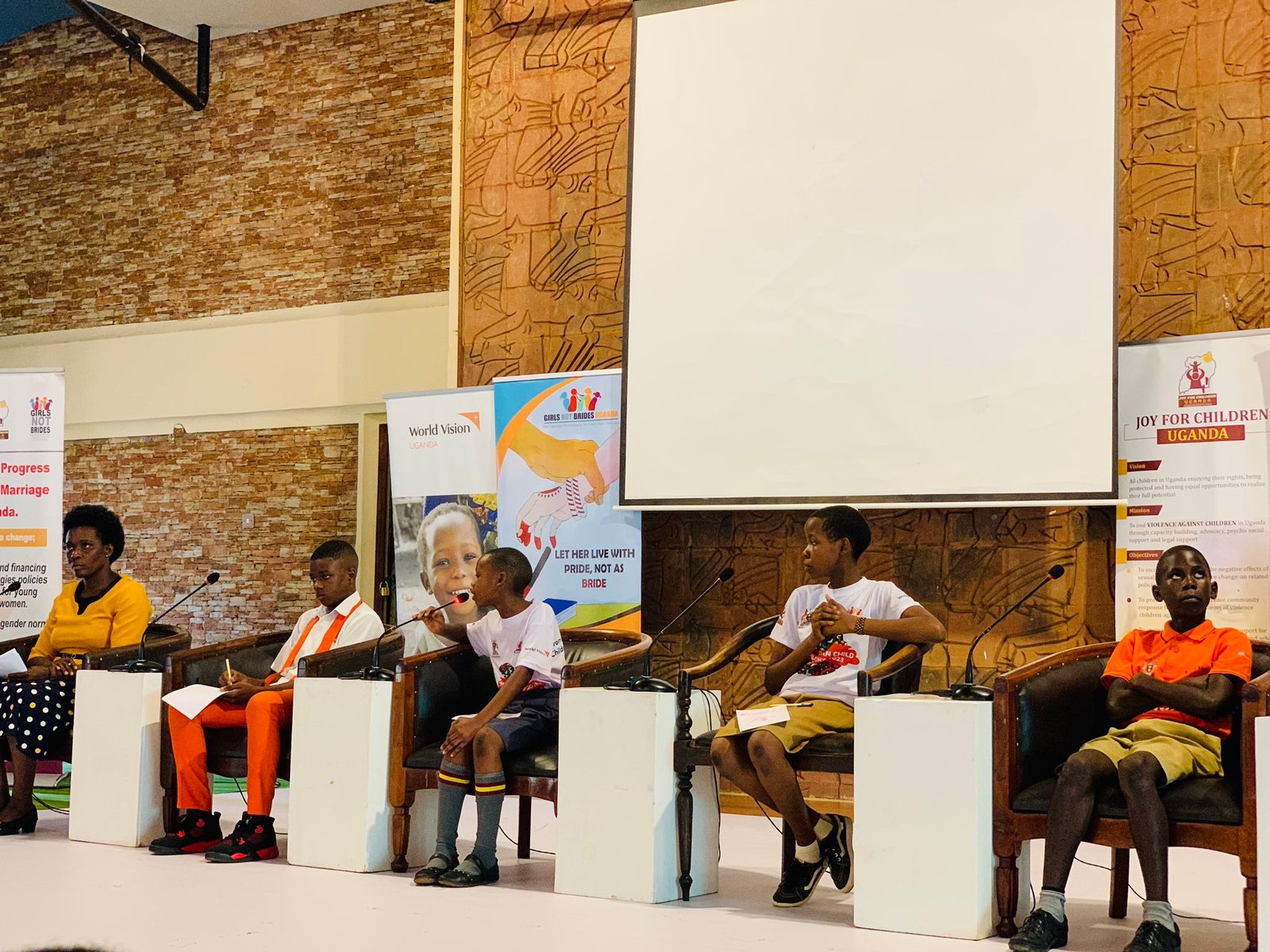
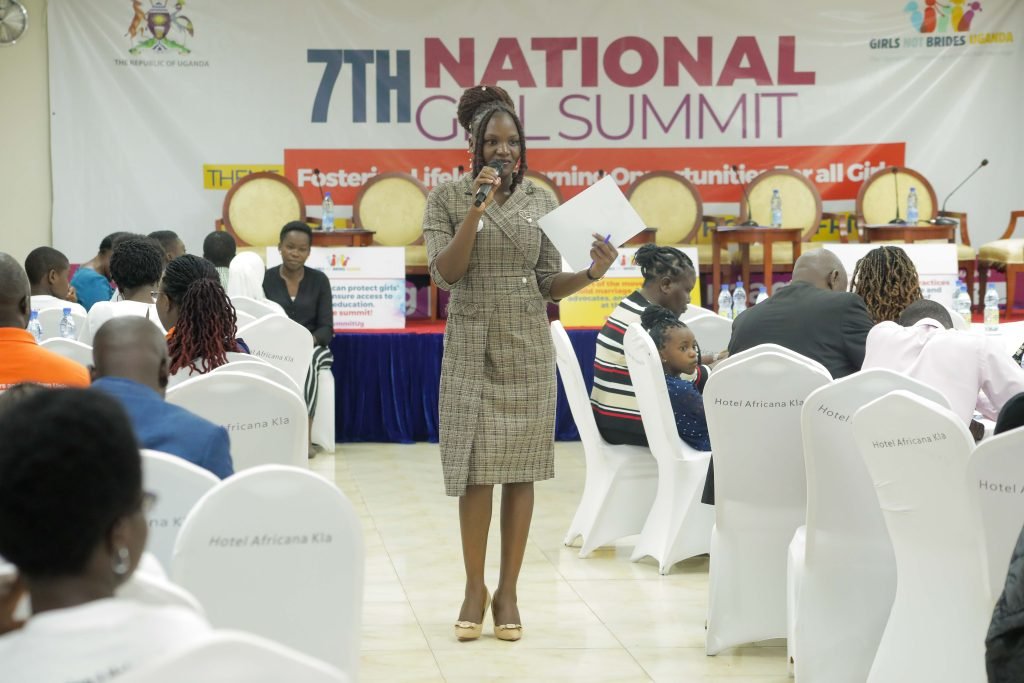
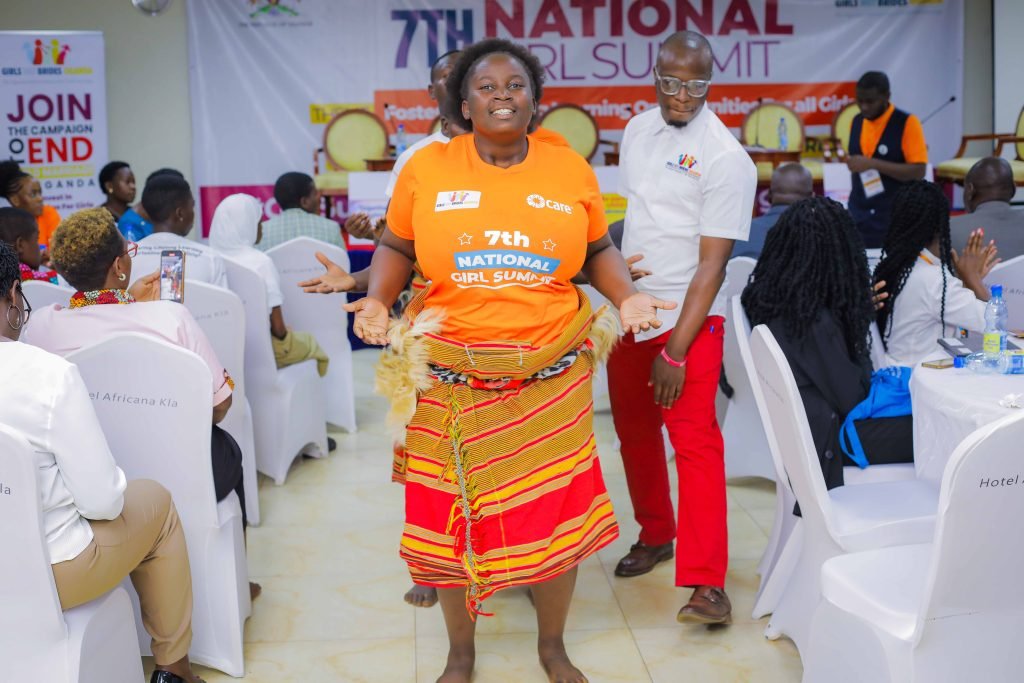
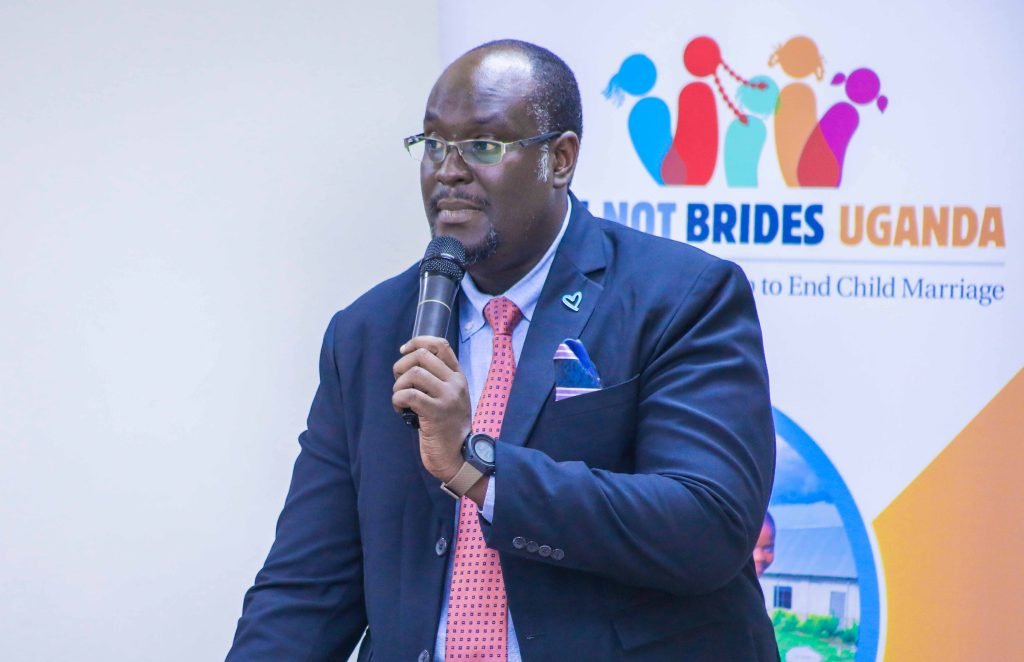
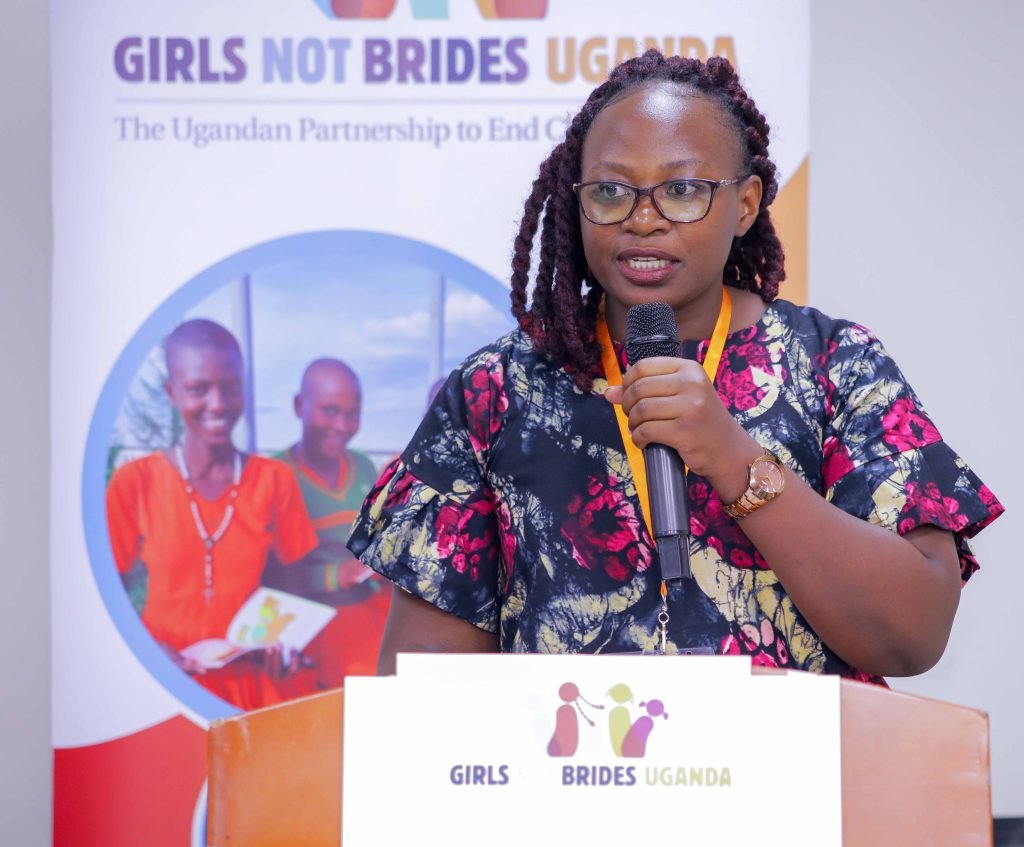
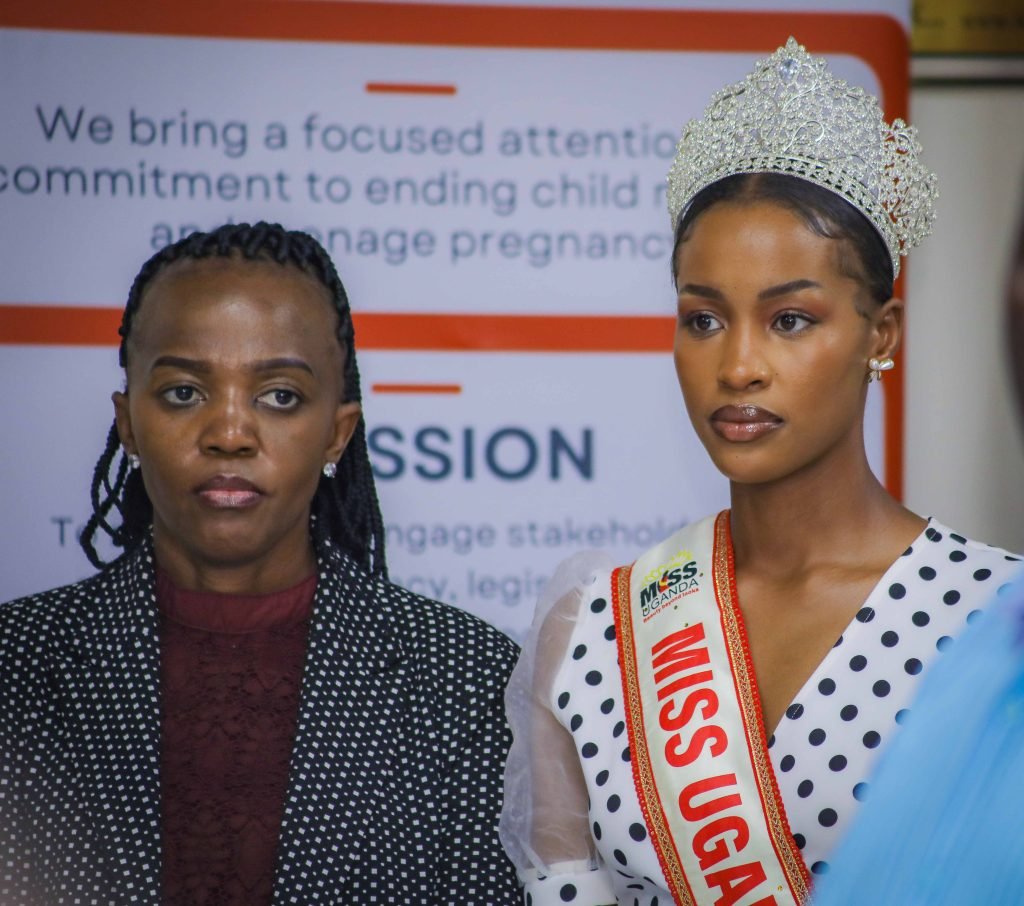
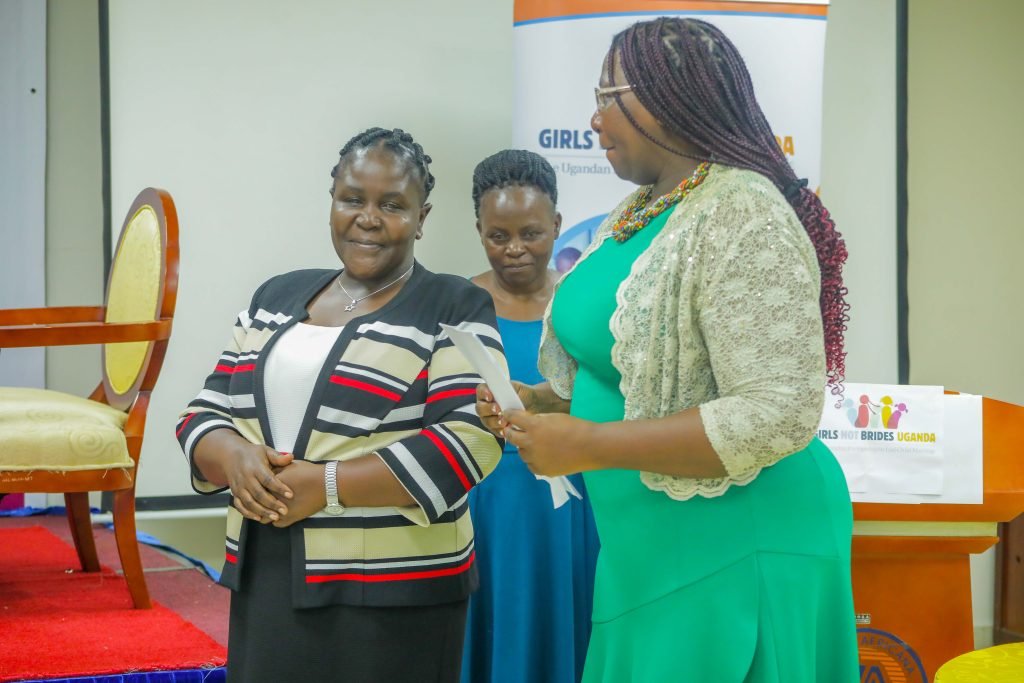
The first eight National Girl Summits were part of a wider, sustained effort to make child marriage a national concern that could no longer be ignored or treated as a private family matter. Convened under the Girls Not Brides Uganda identity, the summits provided an important platform for collective advocacy, dialogue and collaboration among civil society organisations, government actors, development partners, cultural and religious institutions, and young people.
Across this nine-year journey, the coalition’s work has been grounded in a simple but powerful conviction: ending child marriage requires more than telling girls to be resilient. It requires changing the conditions that expose them to harm. It means challenging harmful social and cultural norms, strengthening child-protection systems, keeping girls in school, supporting adolescent mothers, addressing poverty and ensuring that communities know how to prevent and respond to violations of children’s rights.
The significance of the previous summits lies not only in the fact that they brought stakeholders together, but also in the national space they helped sustain for girls’ rights and collective responsibility. They helped build a foundation of relationships and shared purpose on which a stronger, more coordinated movement can now stand. The 2026 concept note recognises this legacy as nine years of collective effort, thousands of voices coming together around one movement.
The journey has not, however, ended the practice. The continued prevalence of child marriage is a reminder that awareness and commitments must be matched by implementation, resources and accountability. The previous summits brought the issue into the room; the 9th Summit must help move the response beyond the room and into every district, school, household and community.
The urgency behind the 9th Summit
The scale of the challenge remains deeply troubling. The 2026 summit concept note, drawing on UNICEF’s 2024 Uganda Country Profile, reports that an estimated 5.5 million girls and women alive in Uganda were married before the age of 18, including approximately 1.6 million who entered marriage or formal unions before turning 15. The 2024 National Population and Housing Census also reports that 13.6 per cent of girls aged 15–19 have begun childbearing.
These figures are not just statistics. They represent girls whose education may be interrupted, whose health and safety may be put at risk, and whose choices may be limited before they have had the opportunity to discover their potential. Behind every number is a childhood, a story and a future that deserves protection.
There is also an urgent implementation gap. According to the coalition’s August 2026 rapid assessment, cited in the concept note, the national strategy to end child marriage and teenage pregnancy had been rolled out in only 56 of Uganda’s 146 districts, approximately 38 per cent. This leaves a substantial gap between national commitments and the local systems needed to protect children.
Frontline actors, including Community Development Officers, Probation and Social Welfare Officers and para-social workers, need adequate resources, transport, communication tools and case-tracking support to identify risks, respond to cases and follow up effectively. Without reliable financing and strong coordination, even well-designed policies can fail to reach the girls who need them most.
From voices to power: a new movement, a new identity
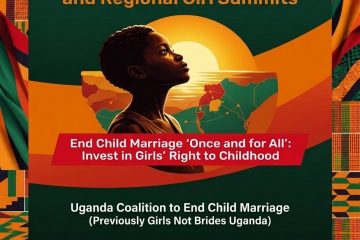
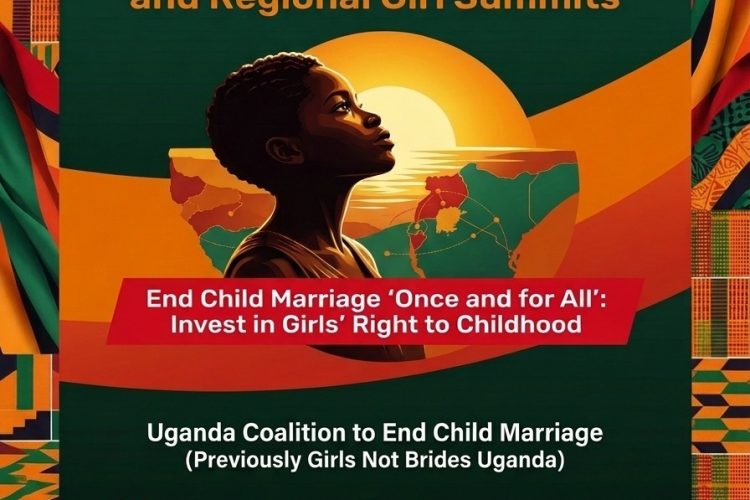
The 9th National Girl Summit, scheduled for 24 November 2026, carries the official theme: “End Child Marriage ‘Once and for All’, Invest in Girls’ Right to Childhood.” Its positioning, “From Voices to Power: A New Movement, A New Identity, A Generation Demanding Action” signals an important shift from raising awareness alone to demanding direct accountability.
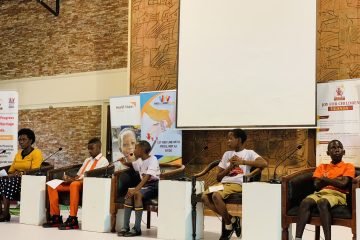
This year’s approach places adolescent girls and boys at the centre of the conversation. Through youth-led proceedings, forum theatre, direct engagement with decision-makers and a cross-generational dialogue, young people will have opportunities to raise difficult questions and seek clear answers from those responsible for policy, budgets and service delivery. The message is that girls and boys are not simply beneficiaries of decisions made by adults; they are rights-holders and partners in shaping the solutions.
The summit will also mark the unveiling of the Uganda Coalition to End Child Marriage (UCECM), the coalition’s new independent national identity after nine years under Girls Not Brides Uganda. This is more than a change of name or logo. It is an opportunity to renew collective purpose, strengthen national ownership and carry the movement into its next strategic chapter with the participation of its 147-member civil society organisations and partners.
What must the 9th Summit deliver?
The summit must be remembered for what changes after it—not simply for the speeches, performances, photographs or declarations made on the day. Its priorities point to practical action: expanding implementation of the national strategy to all 146 districts; strengthening frontline child-protection systems through dedicated domestic financing; improving pathways for adolescent mothers to return to and complete school; connecting vulnerable out-of-school girls to education and livelihood opportunities; and strengthening parliamentary oversight.
The proposed partnership between UCECM and the Uganda Parliamentary Forum for Children, alongside the National Girls’ Declaration and 90-day post-summit accountability tracker, can help turn public commitments into actions that are followed up. Every pledge should have a responsible institution or person, a clear timeline and a way to measure progress.
A call to action: everyone has a role
Government must accelerate the implementation of the national strategy in every district and ensure that frontline child-protection workers have the resources to do their jobs. Parliament must strengthen legislative and budget oversight and follow through on commitments to protect children. Schools and education authorities must support safe, practical pathways for pregnant and parenting adolescents to continue and complete their education.
Cultural and religious leaders must use their influence to challenge harmful norms and affirm that no tradition or circumstance should justify the marriage of a child. Civil society and development partners must coordinate their efforts, support community-based protection and hold institutions accountable. Parents and caregivers must listen to girls, protect their rights and keep education and wellbeing at the centre of family decisions. Boys and men must challenge harmful attitudes and become active allies in building respectful, safe communities.
And to every girl: your voice matters. Your dreams matter. You have the right to learn, play, be safe, express yourself and make choices about your future. You are not a burden or a bargaining tool. You are a rights-holder, a leader and an essential part of Uganda’s future. Keep speaking, keep participating and keep demanding the dignity and opportunities that are yours by right.
The real summit begins when the gathering ends
When delegates leave Fairway Boutique Hotel on 24 November, the responsibility must travel with them, to ministries, Parliament, district offices, schools, places of worship, community meetings and homes across Uganda. The 90 days that follow should be a test of whether commitments are being honoured: Are more districts implementing the strategy? Are frontline workers better equipped? Are girls at risk being protected? Are adolescent mothers returning to school? Are vulnerable girls accessing meaningful opportunities?
Nine years of convening and collective advocacy have brought the movement to this moment. The next chapter must be defined by the courage to act, the discipline to follow through and the determination to ensure that no girl is left behind. Let the 9th Summit become the bridge between the voices raised over the past eight summits and the measurable change girls are demanding today.
Let this summit be remembered not for the promises made on stage, but for the lives transformed because those promises were kept.
No child should be a bride. No girl should lose her childhood to poverty, pressure or harmful tradition. Invest in her rights. Protect her choices. Secure her future.
The call to action is ours. The time to act is now.
#NationalGirlSummitUg #EndChildMarriageOnceAndForAll #InvestInGirlhoodUg
#FromVoicesToPower